4. How to Evaluate a Sales Training Course Before You Book It
The questions you ask before signing the contract matter more than anything in the brochure.
- Ask for a pre-training assessment. Any serious provider will want to understand your team’s current performance gaps before designing the programme. If they skip this step, they are selling a generic product.
- Ask for case studies from your specific industry. A trainer who has worked with financial services teams in Singapore will understand your buyers in a way that a generalist cannot.
- Ask what happens after the training. A two-day workshop with no follow-up is an event, not a programme. Look for reinforcement, coaching check-ins, and accountability structures.
- Ask how they measure results. If the answer is “participant feedback forms,” keep looking. If the answer is “we track pipeline conversion rates at 30, 60, and 90 days,” you are speaking to a serious provider.
- Ask how the content will be adapted for your team’s actual buyer. A one-size-fits-all deck is a red flag. A customised approach built around your specific sales environment is what you are paying for.
5. What to Expect Before, During, and After
A well-structured sales training course has three distinct phases. If any one of them is missing, the investment will underperform.
- Before: Assessment of current team performance, identification of specific skill gaps, alignment with sales leadership on the outcomes expected, and customisation of content to the team’s actual buyers and product environment.
- During: Practical, scenario-based learning that simulates real sales situations. Not lecture practice. Real role-plays, real objections, real feedback in the room. Team members leave with a specific personal action plan.
- After: This is where most programmes fall short and where the real differenceis made. Follow-up coaching, reinforcement of key skills in real deals, manager coaching on how tosustain the learning, and performance review at defined intervals.
- The teams that see the most improvement from sales training courses are the ones where the sales manager actively participates in the programme and reinforces the learning in weekly team meetings afterward.
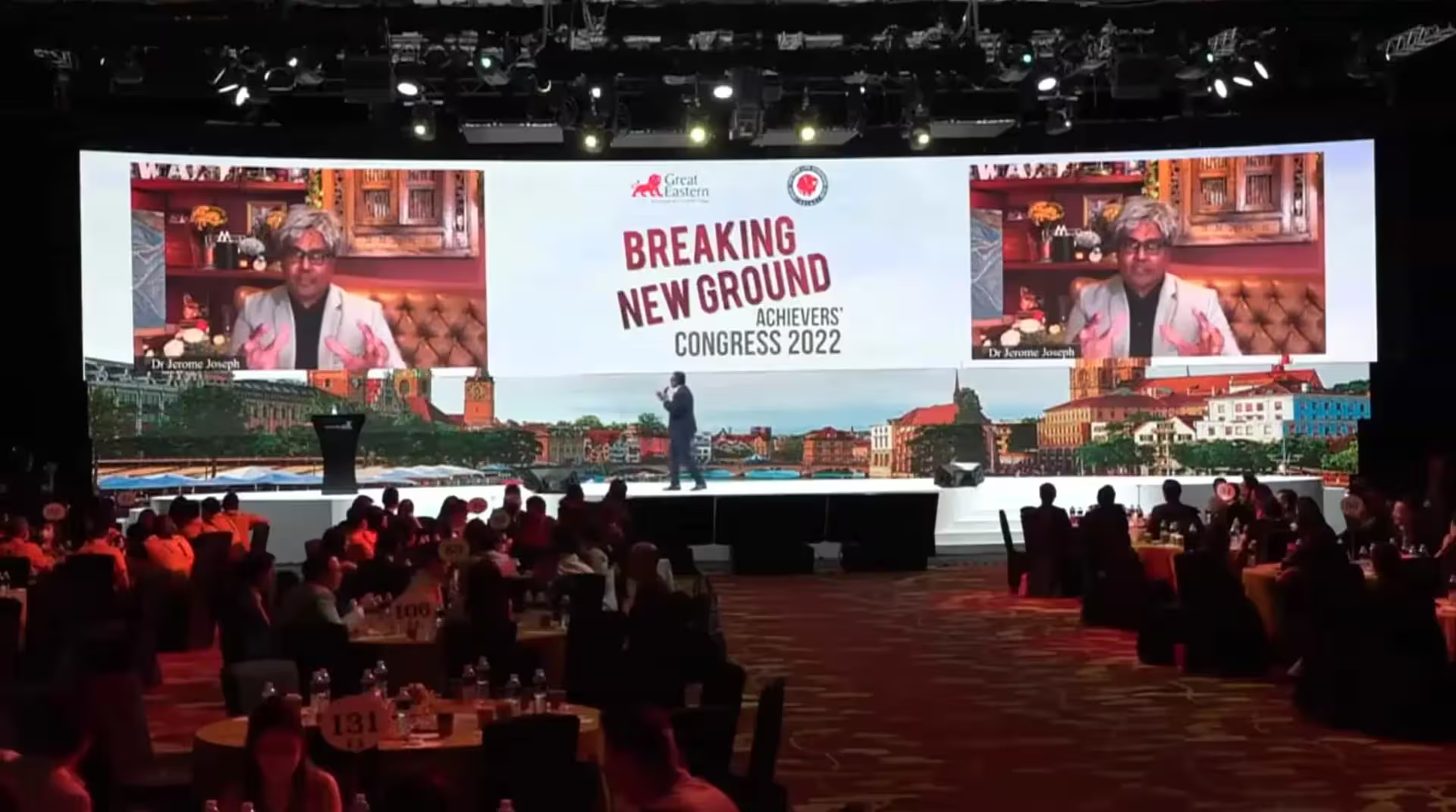
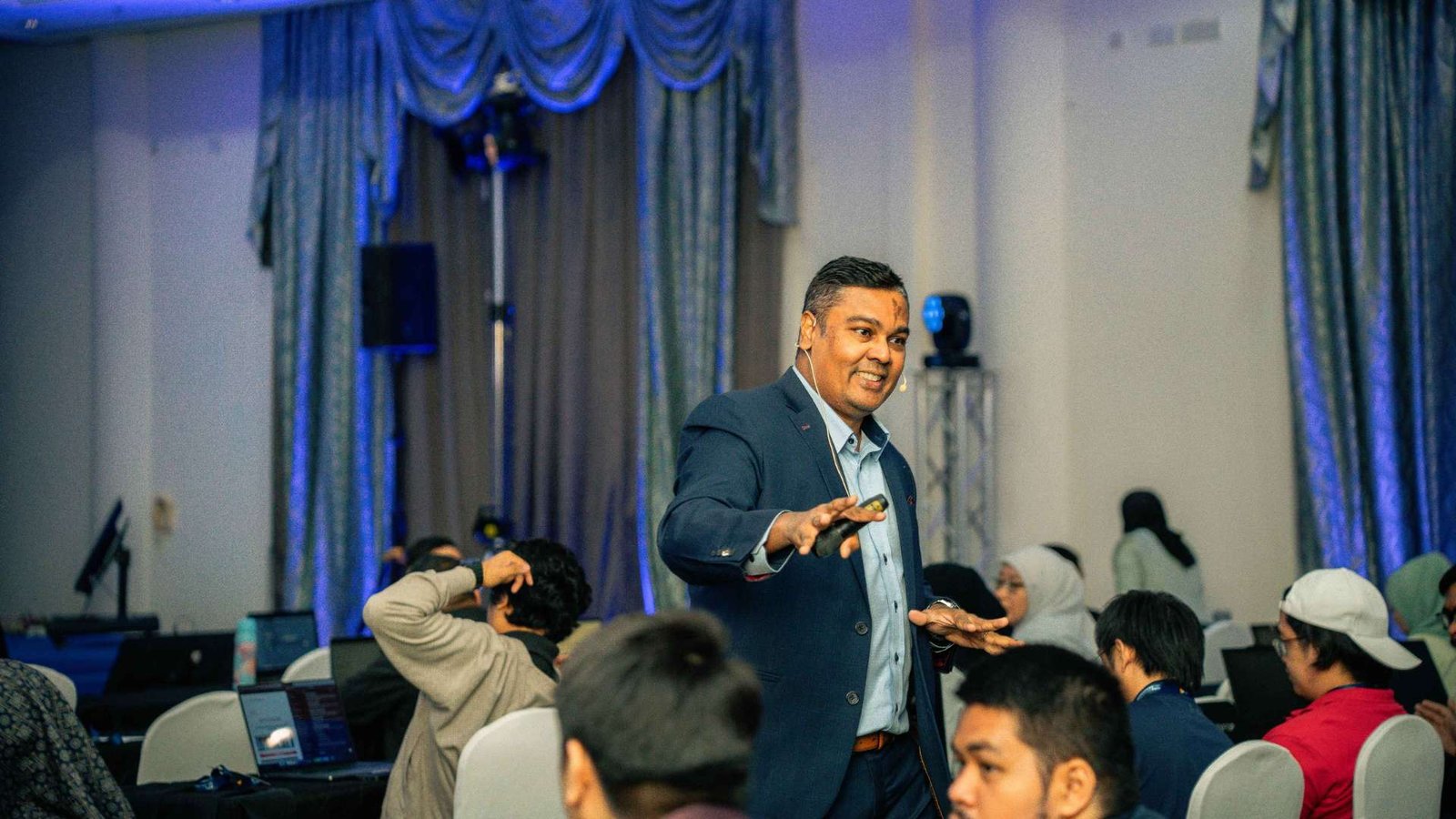
- Dr. Jerome Joseph’s Sales Training programme in Singapore is built across all three phases with pre-training alignment, practical in-session learning, and structured follow-up built into the default programme design.
6. How to Measure Whether the Course Actually Worked
Most companies measure the wrong things after a training programme. Here is what actually tells you whether the investment worked.
- Track close rate changes at 30, 60, and 90 days after the programme not immediately. Skilldevelopment takes time to show in results.
- Track average deal size. Teams that learnconsultative selling and value-based sellingconsistently negotiate less on price and close at higher values.
- Track pipeline velocity — how quickly dealsare moving from first meeting to close. A trained team moves deals forward faster because they understand the buyer’s decision process.
- Track team confidence directly. A simple weeklycheck-in where each salesperson rates theirconfidence in four key skills opening, discovery, objection handling, and closing — gives you a leading indicator before the numbers move.
- Do not measure attendance, completion, or participant satisfaction scores. A team can enjoy a training day and change nothing afterward. Measure performance, not experience.
7. The One Question Every L&D Manager Should Ask Before Signing a Contract
If you only ask one question before booking a sales training course in Singapore, make it this one:
“Can you show me a specific example of a team in my industry, at a similar stage, where you can demonstrate measurable performance improvement after this programme in numbers, not testimonials?”
A trainer who cannot answer that question specifically is selling you a workshop experience. A trainer who can answer it in detail, with real examples, is selling you a result.
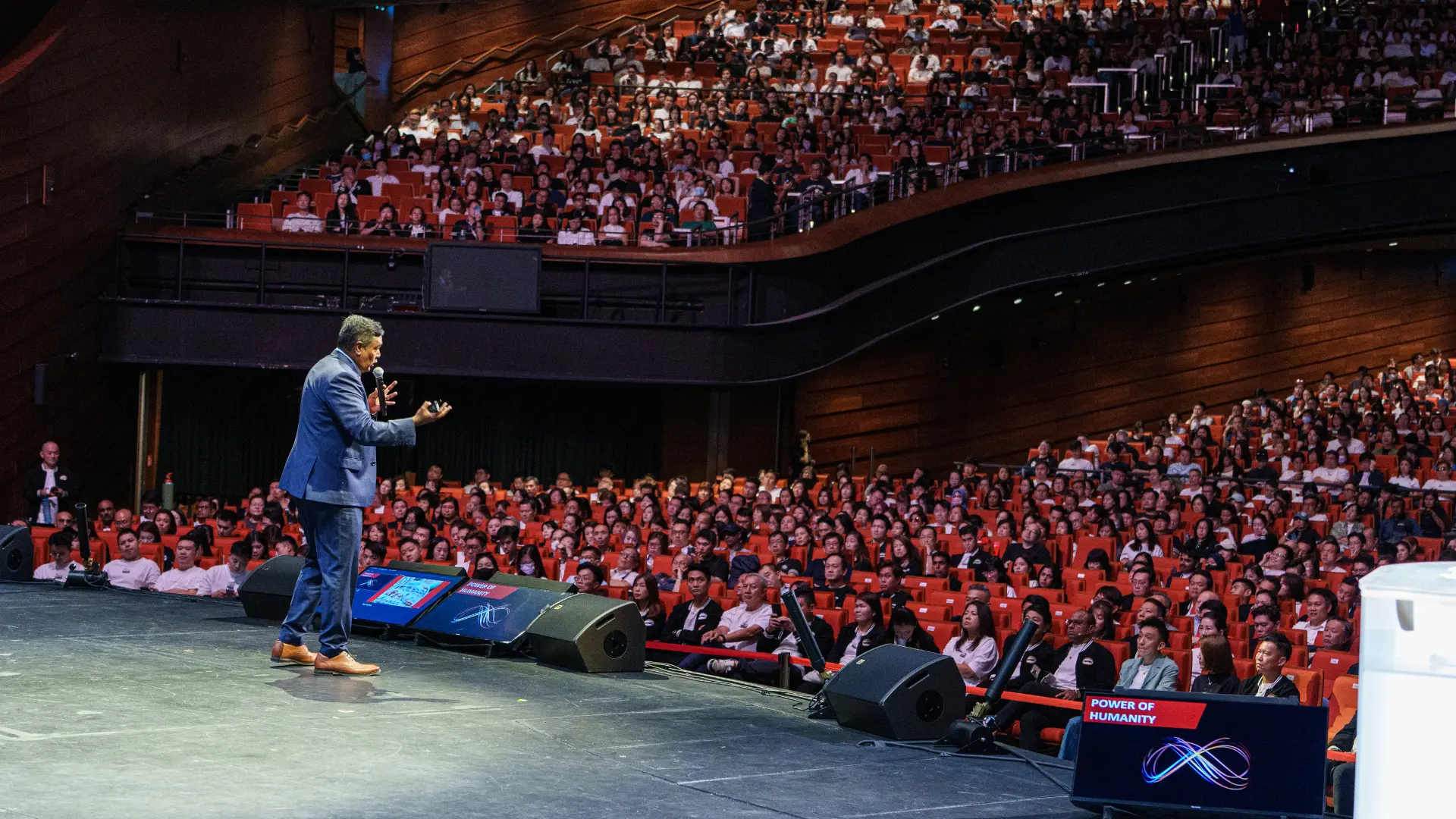
- Dr. Jerome Joseph has trained sales teams across financial services, real estate, technology, FMCG, and professional services in Singapore and across Asia for 30 years.
- His Sales Training courses are built around one outcome: measurable improvement in how your team sells not a certificate on the wall.
- With 1,000+ organisations trained in 40 countries, the methodology has been tested in real sales environments across every major industry in Singapore and Southeast Asia.
Frequently Asked Questions
What are the best sales training courses in
Singapore?
The best sales training courses in Singapore are the ones customised to your team’s specific buyers, product, and performance gaps not generic programmes. Look for providers with proven results in your industry, a structured methodology, and a clear post-training reinforcement plan.
How long do sales training courses in Singapore
typically take?
Most corporate sales training courses in Singapore run for one to two days for the core programme. Effective providers supplement this with follow-up coaching sessions over 30 to 90 days to ensure the learning translates into real performance change.
How much do sales training courses in Singapore cost?
Corporate sales training courses in Singapore typically range from a few thousand dollars for off-the-shelf programmes to higher investment levels for fully customised, multi-session engagements. The return on a well-chosen programme measured in improved close rates and deal size consistently outweighs the cost within one quarter.
Can sales training courses be customised for
specific industries?
Yes, and they should be. A financial services sales team faces completely different buyer psychology than a real estate or technology sales team. Dr. Jerome Joseph’s programme is customised to your industry, your buyers, and your team’s specific performance gaps before every engagement.
How do I know if a sales training course worked?
Measure close rate changes, average deal size, and pipeline velocity at 30, 60, and 90 days after the programme. Do not rely on participant satisfaction scores or completion certificates. Performance data is the only reliable indicator of whether a training investment delivered results.
Final Thoughts
Sales training courses in Singapore are not all the same. The difference between one that changes your team and one that wastes a budget comes down to three things: customisation, quality of the methodology, and what happens after the two days are over.
- Choose a course built around your specific buyers and your team’s actual gaps not a generic programme designed for everyone
- Look for a provider who measures performance outcomes, not just completion and satisfaction
- Invest in a programme that includes structured reinforcement after the training that is where the real results come from